
From tunnels to towers, Saint-Gobain Construction Chemicals (SGCC) is helping reshape construction with better concrete and bold innovation.
Concrete goals for Saint-Gobain Construction Chemicals
From tunnels to towers, Saint-Gobain Construction Chemicals (SGCC) is helping reshape construction with better concrete and bold innovation.
Concrete is everywhere – from bridges and tunnels to homes and hospitals.
But it comes with a heavy environmental cost: it’s responsible for about 8% of global CO₂ emissions. That’s why SGCC is on a mission to change how the world builds – starting with the very material we rely on most.
“We have to find ways to make concrete more sustainable,” says James Mills, Senior Marketing Manager, SGCC UK & Ireland.
SGCC tackles this challenge through two primary chemical solutions:
- Cement additives such as EnviroAdd® reduce the carbon footprint during production.
- Concrete admixtures such as CHRYSO®Quad adjust performance on-site, enabling lower-carbon cement blends and alternative materials like recycled aggregates and locally sourced sands.
“They also allow precise adjustment of concrete’s properties to achieve the performance characteristics needed for each specific application and scenario,” James told Skyline.
Building for the future
Sustainability isn’t just about reducing carbon – it’s about making structures last. SGCC’s products help extend the life of buildings and infrastructure, reducing the need for costly and carbon-heavy replacements.
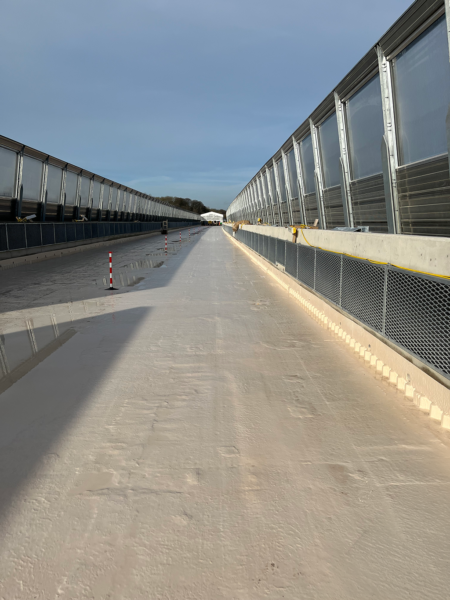
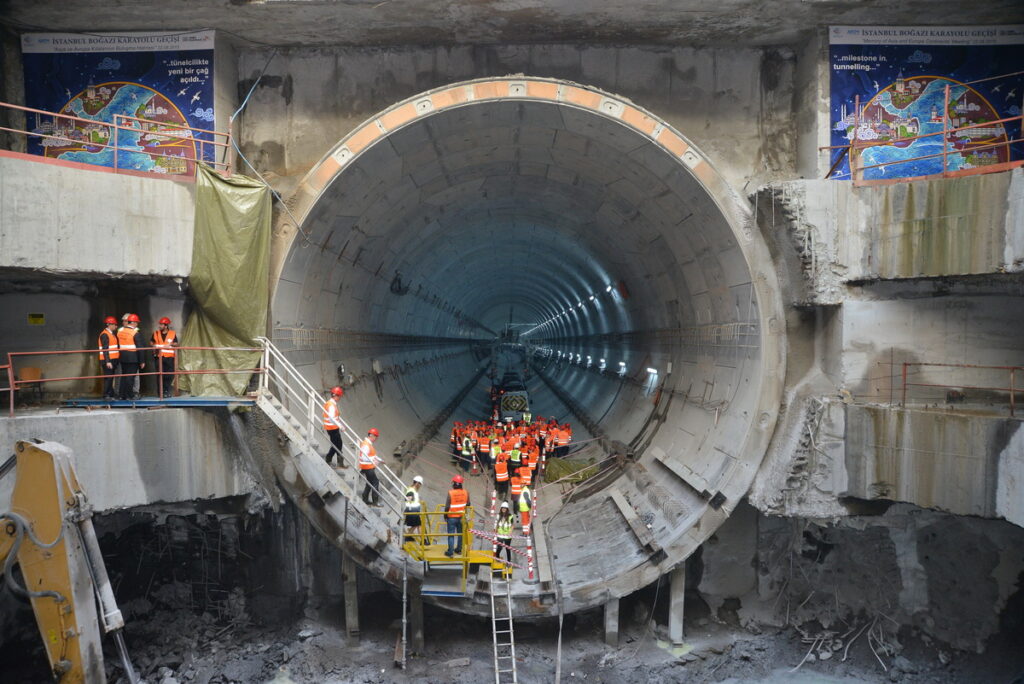
The focus now is on large-scale infrastructure projects – bridges, tunnels, highways – where concrete is irreplaceable. This pivot is both strategic and stabilising.
“Infrastructure is dramatically different,” James explains. “This diversification ensures financial resilience. We’ve been growing rapidly in construction chemicals because we’re focused more on infrastructure.”
Global strength and innovation
Over the past four years, SGCC has expanded its global presence through a series of strategic acquisitions, including Chryso, GCP Applied Technologies, and Fosroc. The division now operates in 76 countries with 54 additional production sites, reinforcing its leadership in construction chemicals. This combined strength allows SGCC to support the entire life cycle of a structure – from groundworks to long-term protection, and from repair to recycle – an essential contribution to sustainable building.
Digital transformation
SGCC is also modernising quality assurance with digital tools:
- Verifi (internet-connected sensors) monitors concrete properties during transit.
- Maturix uses embedded sensors to track curing, temperature, and strength on-site.
These technologies provide clients and contractors with real-time data, improving accountability and reducing waste. SGCC’s early involvement in project specifications – especially in waterproofing and groundworks – positions it as a vital partner within the wider Saint-Gobain group.
“Ultimately, SGCC’s extensive portfolio proves its fundamental alignment with Saint-Gobain’s vision of making the world a better home and leading in light and sustainable construction,” says James. “The SGCC division is a very smart move by Saint-Gobain, creating a diverse, high-performance platform.”
In just a few years, through a series of strategic acquisitions, SGCC has positioned itself as a global leader – championing innovation, resilience, and long-term value in the construction industry.